
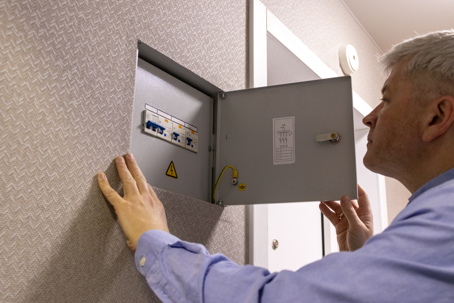
Spring is the perfect time to open the windows, clear out the clutter, and give your home a fresh start. While most people focus on scrubbing floors or organizing closets, your electrical system deserves a spot on that to-do list. Over the winter months, dust can settle in sensitive areas, and cords may have been tucked away where they can’t be easily seen. Taking a few minutes to inspect your home’s power can prevent future headaches and keep your family secure.
1. Inspect Every Cord and Plug
It is common for power cords to stay hidden behind heavy furniture for months at a time. During your spring cleaning, pull those couches and desks away from the walls to check the condition of your wires. Look for any signs of fraying, cracking, or dark marks on the plugs. If a cord feels hot to the touch while in use, it is likely overloaded or damaged and should be replaced immediately.
To keep your devices running smoothly, consider these maintenance steps:
- Ensure that no cords are running under rugs or through doorways where they can be pinched or stepped on.
- Check that plugs fit snugly into outlets without wobbling, as loose connections can cause heat buildup.
- Avoid using daisy chains where one power strip is plugged into another, as this can easily exceed the circuit's capacity.
2. Test Your Life-Saving Outlets
Your kitchen, bathroom, and outdoor areas should be equipped with special outlets designed to shut off power if they get wet. These are known as ground fault circuit interrupters, or GFCIs. Because these devices have mechanical parts inside, they can wear out over time or get stuck due to dust buildup. Testing them once a month is a simple way to ensure they are actually ready to protect you from a shock.
Follow this simple routine to verify your protection:
- Push the "Test" button on the outlet to see if the "Reset" button pops out and cuts the power.
- Plug in a small lamp or nightlight to confirm that no electricity is flowing while the button is tripped.
- Press the "Reset" button firmly to restore power and ensure the internal latch is working correctly.
3. Clear Out Dust from Exhaust Fans and Appliances
Dust is more than just an eyesore; it is a fuel source for potential fires. Bathroom exhaust fans and the coils behind your refrigerator often collect thick layers of lint and pet hair over the winter. When these motors have to work through a layer of grime, they can overheat. Cleaning these areas improves the efficiency of your appliances and reduces the strain on your home’s wiring.
Use these techniques to keep things cool and clean:
- Use a vacuum attachment to pull dust out of the slats in your bathroom fan covers.
- Carefully vacuum the coils on the back or bottom of your fridge to help it release heat more effectively.
- Check the lint trap in your dryer and the vent pipe leading outside to ensure there is plenty of airflow.
4. Evaluate Your Extension Cord Usage
Extension cords are designed for temporary use, like powering a vacuum or a festive light display. If you have extension cords that have been plugged in since last spring, it is time to consider a more permanent solution. These cords are not built to handle the constant load of large appliances or long-term heat exposure. Moving toward a permanent setup reduces trip hazards and lessens the risk of a short circuit.
Consider these adjustments for a safer home layout:
- Limit extension cord use to one device at a time and unplug them when they are not needed.
- Choose cords that are specifically rated for the environment, using only heavy-duty outdoor cords for yard work.
- Identify areas where you are constantly reaching for a cord, as this usually indicates a need for more wall outlets.
5. Check Your Light Fixtures and Bulbs
Spring cleaning is a great time to wipe down dusty light fixtures and ensure you are using the right bulbs. Every lamp and ceiling fixture has a maximum wattage rating printed on the socket. Using a bulb that draws more power than the fixture can handle creates excessive heat that can damage the socket's insulation. Switching to LED bulbs is a smart move because they produce very little heat and use much less energy.
Keep your lighting safe with these checks:
- Verify that every bulb in your home matches or stays below the recommended wattage for that specific lamp.
- Tighten any bulbs that have vibrated loose, as a loose bulb can cause flickering or sparking.
- Dust off the tops of ceiling fan blades to prevent the motor from becoming unbalanced or overheating.
Why Professional Electrical Maintenance Matters
Taking the time to walk through your home with a safety mindset is the best way to catch small issues before they become major problems. By staying proactive with your outlets, cords, and appliances, you significantly reduce the risk of unexpected failures or hazards. A clean and well-maintained electrical system not only runs more efficiently but also provides a sense of security that allows you to enjoy your home to the fullest.
If you find items on your checklist that require expert attention, We Power Electric LLC can help bridge the gap between a DIY inspection and a fully secured home. Our team provides professional GFCI outlet installation and thorough wiring and rewiring to ensure your property meets modern standards. Whether you need to add new circuits for your growing tech needs or require a panel upgrade to handle your home's total load, we apply technical precision to every connection we make.
Your home deserves a clean bill of health this season, and we are here to help you achieve it. Please reach out to our team online or call (614) 964-5544 to schedule your professional safety evaluation today.