Understanding a Tripped Circuit Breaker
Identifying a Circuit Breaker:
Circuit breakers are crucial components in every electrical system, offering protection by automatically interrupting the flow of electricity should a fault occur. In essence, they serve as industrial "safety switches," preventing electrical overload, short circuits, and faulty wiring from causing potentially hazardous incidents. Understanding what each component of a circuit breaker does is key to managing electrical safety effectively. The basic structure includes a switch, wiring terminals, and either thermal or magnetic operation mechanisms. There are several types of circuit breakers, such as single pole breakers for simple, low-energy circuits and double pole breakers for larger appliances. Understanding these different types and their specific roles helps in identifying their necessity in various parts of your home.
The function of circuit breakers might seem straightforward, but recognizing their importance is paramount. When a circuit breaker becomes overloaded, it levers a physical switch to interrupt the electricity, preventing potential damage. These devices can vary in terms of complexity and application, from common household units to those used in commercial buildings. Breakers are rated by the maximum amperage they can safely handle before tripping and are categorized into different types—thermal, magnetic, and hybrid. Knowing these differences can aid in selecting the right breakers for various appliances or areas within the home, ensuring efficient and safe usage of your electrical systems.
Common Causes of Trip:
There are various reasons why circuit breakers trip, and understanding these can help in diagnosing and solving electrical issues more effectively. The most common cause is an overload, where too many devices draw power simultaneously, surpassing the breaker's capacity. This scenario is like having an army of gadgets trying to squeeze through a single door—eventually, something's got to give! Another cause is a short circuit, often resulting from faulty wiring or connections. This can create a direct path for the electricity, generating an excess spike of current that bypasses all safeguards, leading to an instantaneous trip.
Ground faults, another frequent cause, occur when the electrical path takes an unintended route, possibly through water or faulty wire insulation. This is especially hazardous in wet areas like kitchens or bathrooms, where the risk of electrocution is elevated. Understanding these causes is crucial for addressing the root of the problem. Homeowners should pay attention to these signs—especially when the trips are recurring—because continuous neglect could lead to severe damage, highlighting the importance of immediate and effective identification.
Safety Implications
The safety implications associated with a tripped circuit breaker should not be underestimated. These devices are critical in preventing electrical fires or extensive damages because they halt the electrical flow before it escalates into a hazard. If a breaker trips, it must be inspected as soon as possible. Ignoring it can lead to prolonged exposure to dangerous current levels, potentially igniting nearby flammable materials leading to fires. Immediate inspections will prevent such incidents, ensuring home safety remains paramount in Delaware, OH.
In the worst-case scenario, a neglected breaker trip can cause more than just inconvenience; it can lead to catastrophic damage. From eradicating entire appliances to sparking electrical fires, the lack of timely recognition and resolution of these issues poses a threat not only to your home but also to your personal safety. Embedding this knowledge in your family's safety protocols can avert major mishaps and is all part of promoting a secure and hazard-free living environment. It's essential to address the cause of the tripping without delay to safeguard yourself and your loved ones from potentially grave situations.
Recognizing Physical Signs
Breaker Handle Positioning:
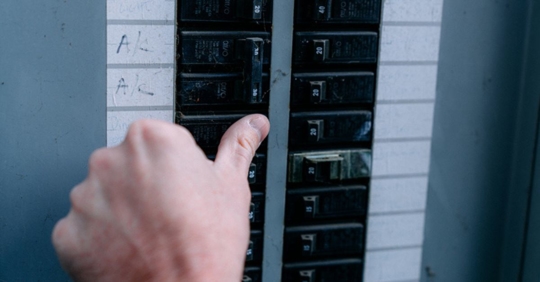
One of the easiest ways to recognize a tripped circuit breaker is to examine the position of the breaker handle. Typically, when a breaker trips, the handle will not be entirely in the "off" position. Instead, it might shift halfway between "on" and "off," requiring manual resetting. To correctly reset the breaker, simply switch the handle fully to the "off" position before returning it to "on." Understanding this process is crucial for homeowners aiming to maintain the reliability of their electrical systems without recurring trips.
Resetting a breaker can be an efficient quick fix, particularly when small overloads or temporary faults cause the trip. However, frequent resets should raise a red flag, indicating the presence of more significant issues such as defective appliances or wiring faults. Observing this handle position regularly gives insight into recurring problems and helps prioritize inspections or professional interventions when necessary. Residents of Delaware, OH, should take note and act promptly when these visual cues arise.
Visual Inspection of Burn Marks:
Burn marks around a breaker are serious warning signs that should never be ignored. These marks indicate excessive heat or electrical arcing and are often symptomatic of underlying issues needing immediate attention beyond a simple reset. Homeowners should visually inspect breaker panels regularly for any scorch or discoloration. If they see any signs of burns, it suggests that the electrical system might be teetering on the edge of safety and should be examined by a professional post-haste.
Burn marks could spotlight a more lethal situation, where continual arcing occurs due to poor contacts or worn components. As a preventative measure, every homeowner should incorporate regular visual inspections into their electrical safety routines. When burn marks are identified, it is a call for urgent intervention—acting swiftly can prevent further complications and safeguard property integrity. Ignoring these signs can increase the risk of fire or electrical shock, posing a real threat to inhabitants and the structural component of your home.
Audible Clues:
A circuit breaker that emits unusual sounds is another clue signaling potential issues. Buzzing or humming noises emanate from a struggling breaker attempting to trip, suggesting an imbalance or fault in the electrical system. These sounds should be a prompt for action; if left unattended, they could signal the breakdown of internal mechanisms, leading to permanent damage or increased fire risk. Delaware, OH residents should be proactive when these clues manifest to maintain electrical safety.
This acoustic signal isn't only an indicator of immediate issues but might also suggest long-term degradation. When breakers persistently hum, it might imply they are nearing the end of their operational lifespan, necessitating replacement. Regular attention to the soundscapes of your breaker panel can prevent premature failures or catastrophic malfunctions. Addressing these auditory signs forthrightly ensures the longevity of your electrical systems and unassuming comfort in your day-to-day life.
Monitoring Electrical Devices
Flickering or Dimming Lights:
Flickering or dimming lights serve as telltale signs that there might be a tripped breaker somewhere in the circuit. These phenomena occur when circuits struggle to maintain the necessary current, often leading to intermittent power delivery. Homeowners should inspect the circuits connected to these lights, noting any correlation between flickers and appliance use. If consistent patterns emerge, they could point toward an overloaded circuit or a malfunctioning breaker.
While flickering lights might seem like a minor inconvenience, they can earmark far more serious electrical issues. Those encountered in Delaware, OH, should be mindful of these signs, investigating circuits promptly for potential overloads or shorts. Updating circuits or reconsidering power distribution can forestall further complications, ensuring that the well-being of your home's electrical system remains uncompromised. Consistent flickering is a clear sign requiring attention—and often, it's a precursor to larger concerns if not managed efficiently.
Unresponsive Outlets and Appliances:
Have you ever plugged in your favorite appliance only to find it completely unresponsive? Blame a tripped circuit breaker; undelivered power is typically a sign of a disconnected or disrupted circuit. When outlets remain unresponsive, check the breaker box for trips—this often reveals disconnected circuits that need resetting. Initial troubleshooting should entail checking for connections, plugs, and circuit overloads before seeking professional advice.
Consistent disruptions point to underlying issues that extend beyond mere appliance malfunctions. In Delaware, OH, local professionals often spot these patterns, recommending comprehensive system inspections to ensure proper continuity and safety. Addressing these concerns early prevents long-term damage, keeping your home functional and protected. A seamless investigation into these dead zones ensures that complications don't spiral, offering the pleasant assurance that your electrical systems remain in peak condition.
Circuit Interference Patterns:
Repeated disturbances or interference patterns in specific circuits suggest ongoing challenges that brewing breaker issues could exacerbate. Keeping a log of when and how frequently these interference episodes occur can be beneficial for later diagnostic purposes. If there's consistent interruption, it highlights potential overloads or hidden faults within the system, necessitating timely intervention to avoid significant damage.
Investigating these interference patterns offers valuable insight into system integrity and potential faults. By noting patterns, homeowners can hydrate their proactive measures, improving system robustness and breaker performance. Delaware, OH residents, should actively monitor interference symptoms to avert widespread complications. A comprehensive evaluation of circuits experiencing frequent disturbances ensures that resource-sapping issues are addressed promptly, promoting optimal system functionality and effectiveness.
Troubleshooting The Issue
Initial DIY Checks:
Before calling in the professionals, there's a suite of DIY checks that homeowners can perform to address circuit breaker issues. These include visual inspections, handle resets, and basic power testings within sub-circuits. Safety first! It is imperative to turn off and disconnect electrical appliances before examining the circuit. Careful analysis regarding which breaker is tripping and its connection can identify overloaded circuits or faulty appliances needing action.
DIY checks empower residents to understand the foundational components of their electrical systems better, promoting efficient issue-solving without excessive expenditures. By aligning personal safety with knowledge, Delaware, OH homeowners can maintain system integrity while safeguarding their property. These actions support proactive identification of common faults, offering peace of mind as solutions unfold within an accessible framework.
Recognizing When to Call a Professional:
Despite attempts at resolving breaker issues personally, there remain unmistakable signs necessitating professional intervention. Chronic tripping, indications of smoke, and persistent electrical faults are scenarios where expert evaluation is unsurpassably valuable. Professionals diagnose intricate problems significantly better, recommending suitable solutions before further damage ensues.
In Delaware, OH, electrical professionals provide indispensable value by identifying pervasive electrical system challenges. Homeowners watch for chronic issues that defy simple corrections, prioritizing professional intervention should warnings persist. A timely engagement with experts ensures safety returns expeditiously, preserving the integrity of residential electrical systems and avoiding substantial hazards.
Maintenance and Prevention Tips:
To minimize future breaker trips, maintenance is key. Regularly updating wiring, inspecting connections, and managing electrical load distribution are some methods homeowners can use to avoid overloads. Conducting preventive maintenance checks and confirming that breakers align with household energy demands ensure longevity and reliability within the system.
Tips for maintenance should incorporate practical insights, inspiring continuous oversight of wiring, connections, and power capacity checks. Delaware, OH residents benefit from understanding these tips, reducing the chances of encountering drastic disruptions or unsafe electrical incidents. Prioritized maintenance promotes the uninterrupted operation of your system, fostering security and remarkable household resilience against electrical complications.
Tools and Resources
Essential Safety Gear:
Effective breaker inspection and handling are incomplete without the appropriate safety gear. Recommended essentials include insulated gloves, safety glasses, and voltage testers. These items mitigate risks associated with electrical inspections, ensuring homeowners approach system checks securely and confidently. Residents should equip themselves with these essentials, legitimizing safe analysis during electrical challenges.
Using safety gear is a cornerstone of responsible electrical management. It minimizes risk exposure, promoting stress-free handling and examination endeavors. Delaware, OH residents should always safeguard themselves when investigating breaker issues, underscoring proactive safety across their routines. These measures ensure that electrical management remains risk-free, maintaining overall property integrity without unnecessary compromises.
Contact We Power Electric LLC to Keep Your Breakers from Tripping
If your circuit breaker keeps tripping, it might be a sign your home’s electrical panel is working overtime. Modern homes often demand more power than older panels can safely handle, especially with today’s appliances and devices. At We Power Electric, our licensed electricians specialize in diagnosing overloaded panels and providing professional panel upgrades to improve safety, reliability, and efficiency. Don’t wait until a minor issue becomes a major hazard—reach out to We Power Electric to ensure your system can handle your home’s electrical needs with confidence.
Call We Power Electric LLC now at (614) 964-5544 or send us a message online.