Summers in Central Ohio have become increasingly intense, with heatwaves pushing local power grids to their absolute limits. When the temperature climbs above 90°F, your home’s electrical system works overtime to keep the air conditioning running and the refrigerator cool. This constant high demand can expose hidden weaknesses in your wiring or panel, leading to sudden failures when you need power the most. Understanding these common heat-related issues is the first step toward staying safe and comfortable during a summer scorcher.
1. Overloaded Circuit Breakers
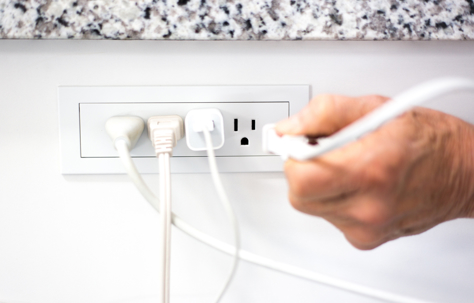
The most frequent emergency during a heatwave is a circuit breaker that refuses to stay in the "on" position. This happens because air conditioners draw a significant amount of current, especially when they first kick on. If you have multiple high-draw appliances—like a dehumidifier, a refrigerator, and an AC unit—running on the same circuit, the heat can cause the breaker to trip as a safety precaution. This prevents the wires from overheating and potentially starting a fire.
To manage your power load more effectively, try these small changes:
- Avoid running heavy appliances like dishwashers or clothes dryers during the hottest parts of the afternoon.
- Spread out your high-wattage devices so they aren't all drawing power from the same area of the house.
- Keep your AC filters clean to ensure the motor doesn't have to work harder and pull more electricity than necessary.
2. Humming or Buzzing Electrical Panels
If you stand near your electrical panel and hear a distinct humming or buzzing sound during a heatwave, it is a sign of serious stress. This noise often indicates that the breakers are vibrating due to an extreme electrical load or that a connection has become loose. High ambient temperatures combined with high electrical flow can cause metal components to expand slightly, which weakens the grip of the wires. A buzzing panel is a red flag that a part is failing and needs immediate professional attention.
Keep an eye out for these additional warning signs at your panel:
- Feel the surface of the panel door; it should be cool or room temperature, never hot to the touch.
- Look for any discoloration or "char" marks around the individual breakers.
- Sniff for a sharp, ozone-like smell or the scent of burning plastic near the unit.
3. Flickering Lights and Power Dips
During a regional heatwave, the entire utility grid can struggle to keep up with the demand for cooling. This often results in "brownouts," which are temporary drops in voltage. You might notice your lights dimming slightly when the AC kicks on, or your microwave taking longer than usual to heat food. While these dips are sometimes caused by the utility company, they can also indicate that your home’s internal wiring is struggling to deliver enough current to your modern appliances.
You can protect your sensitive electronics from these fluctuations by:
- Unplugging non-essential high-end electronics during the peak heat of the day to reduce "vampire" power draw.
- Using high-quality surge protectors for computers and televisions to shield them from the spikes that follow a power dip.
- Reporting persistent flickering to a professional, as it could signal a failing neutral wire, which is a major safety risk.
4. Burning Smells from Outlets or Switches
One of the most dangerous emergencies is the scent of burning coming from an outlet or a light switch. In extreme heat, older insulation on wires can become brittle and crack. When an appliance pulls a heavy load through a compromised wire, it can create an electrical arc—a spark that jumps through the air. This generates intense heat that can melt the plastic of the outlet cover or even ignite the wood studs inside your walls.
If you notice a strange odor, take these immediate steps:
- Turn off the power at the main breaker for that specific room right away.
- Do not attempt to plug anything else into the suspicious outlet to "test" it.
- Visually inspect the outlet for any warping, melting, or brownish stains that indicate high heat.
5. Failure of Sump Pumps and Exterior Systems
Ohio heatwaves are often followed by sudden, violent thunderstorms. If your electrical system has been stressed by days of high heat, it may fail just when the rain starts to fall. Many homeowners find that their outdoor GFI outlets or sump pump circuits trip during the first big storm of the summer because the heat has already degraded the components. Ensuring your exterior power is resilient is essential for preventing basement flooding and outdoor hazards.
Prepare your exterior power for the summer cycle:
- Test your sump pump monthly by pouring a bucket of water into the pit to ensure it triggers correctly.
- Inspect outdoor outlets for debris or nests that can trap heat and lead to a short circuit.
- Consider a battery backup for your pump to ensure it works even if the local grid goes down during a storm.
Ensuring Your Home Stands Up to the Heat
A heatwave is the ultimate stress test for your home’s electrical foundation. While many issues can be managed with careful power use, a system that consistently trips or makes noise is telling you it has reached its limit. Staying proactive is the best way to avoid the discomfort of a dead AC unit in 95-degree weather or the danger of an electrical fire. By addressing small red flags now, you ensure your home remains a cool, safe sanctuary all summer long.
When the temperature rises, We Power Electric LLC is ready to provide the technical support you need to stay safe. We offer 24/7 emergency response for those critical moments when the power fails. Whether you need a panel upgrade to handle the summer load or professional wiring and rewiring to fix heat-damaged circuits, we apply precision and care to every job.
Don't wait for the next record-breaking afternoon to find out if your power is up to the task. Connect with our team online or call (614) 964-5544 to schedule a comprehensive safety check today.