
Safety First: Preventing Fire-Related Injuries and Fatalities
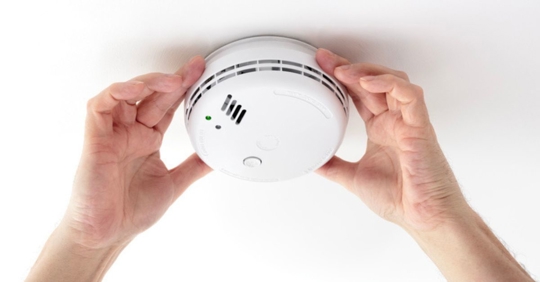
In the realm of home safety, having functional fire alarms is an absolute necessity. Statistics speak for themselves: according to the National Fire Protection Association (NFPA), homes equipped with working fire alarms experience fewer fire-related injuries and fatalities compared to those without. A staggering 38% of fire-related deaths occur in homes without any smoke detectors, underscoring the importance of this life-saving device. Fire alarms serve as vigilant guardians, providing early warning and crucial time for occupants to evacuate safely, drastically reducing casualties. Real-life examples, such as the case where a working smoke detector helped save a family from a nighttime blaze in Ohio, further emphasize how these devices can be life-savers in imminent danger situations.
Beyond the statistics, the presence of functional fire alarms instills a sense of security and peace of mind. Imagine being jarred awake by the shrill emergency tone of a fire alarm, allowing precious seconds to gather loved ones and escape a potential tragedy. This scenario underscores the importance of these devices in providing early detection of smoke and fire hazards, greatly increasing the chances of survival and minimizing injuries. With the right fire safety measures in place, homeowners can assure their families that they are protected by advanced, reliable systems that are watchful of potential dangers even as they sleep.
Financial Implications: Reducing Property Damage Costs
Besides safeguarding lives, functional fire alarms play a crucial role in reducing property damage costs. Consider the economic burden; according to the NFPA, home structure fires accounted for roughly $7.8 billion in property damage in 2020 alone. Fire alarms, by detecting fires early, activate fire suppression systems or prompt immediate evacuation, limiting the scope of destruction and saving homeowners substantial repair costs. For instance, the early detection provided by fire alarms can mean the difference between mitigating a fire that’s limited to the kitchen and one that engulfs an entire house. The consequence is often a reduction in the scale of necessary restorations, resulting in fewer expenses.
Furthermore, early fire detection contributes significantly to minimizing repair costs and preserving property value. When alarms trigger early, firefighting efforts can be more targeted, efficiently controlling the spread of flames and extinguishing them before they inflict extensive damage. This proactive approach helps maintain the structural integrity and appearance of the home, as well as protecting valuable possessions. Homeowners must recognize the economic advantages provided by working alarms, as investing in reliable fire detection mechanisms equates to saving thousands of dollars on potential damages and ensuring long-term financial stability.
Insurance Benefits: Potential for Lower Premiums
The benefits of having a functioning fire alarm extend into the realm of insurance, potentially leading to lowered premiums. Insurance providers assess risks when determining rates, and homes equipped with certified fire alarms are often eligible for discounts. These devices decrease the likelihood of severe damage and, consequently, significant insurance claims, thereby reducing the insurer's risk. By installing compliant fire alarms, homeowners signal to their insurance companies that they are proactive about mitigating fire risks, resulting in a favorable reduction in premiums. This financial incentive not only saves money but also encourages the consistent maintenance and updating of fire safety systems.
Insurance companies view fire alarms as a crucial factor in risk assessment and policy determination. These devices reduce the insurer's exposure to payouts caused by devastating fires, reflecting positively in the form of potential premium deductions. By maintaining compliant fire alarms as per regulatory standards, homeowners position themselves for advantageous insurance negotiations, ensuring their premiums accurately reflect the lowered risk inherent in their proactive fire safety measures. It's vital for property owners to explore these benefits further with their insurance agents, as well-maintained alarms are a straightforward way to protect against financial adversity through reduced insurance obligations.
Different Types: Ionization vs. Photoelectric vs. Dual-Sensor Alarms
Navigating the realm of fire alarms necessitates understanding the different types available, each offering unique detection capabilities suited to various fire scenarios. Ionization alarms, for instance, excel at detecting fast-flaming fires typical of materials such as paper and grease, making them ideal for kitchens and similar environments. In contrast, photoelectric alarms are more adept at sensing smoldering fires, often produced by cloth or furniture, making them preferable for living rooms or bedrooms. Dual-sensor alarms ambitiously combine these technologies, offering comprehensive coverage by detecting varying fire types effectively within one unit. The distinction among these models is pivotal when choosing the most appropriate alarm for a given space, taking into account its specific risks.
Understanding the specialized benefits and limitations of each fire alarm type aids homeowners in making informed purchasing decisions to enhance early fire detection. For example, ionization alarms are sensitive to small particles typical in flaming fires, but might not react as quickly to smoldering smoke. On the other hand, photoelectric alarms are optimized for detecting larger smoke particles and may not capture fast-moving flaming fires promptly. Dual-sensor alarms afford greater security by encapsulating both detection methods, addressing the weaknesses inherent in standalone units. Homeowners should weigh these factors, considering their environments and potential fire risks to ensure optimal protection for every room in their household.
Smart Fire Alarms: Embracing Technology for Enhanced Safety
The realm of fire safety has evolved dramatically with the advent of smart fire alarms, integrating cutting-edge technology for enhanced home protection. These alarms synchronize with smart home systems to create interconnected networks, significantly improving detection capabilities and allowing for real-time smartphone notifications. Imagine receiving instant alerts on your mobile device if a risk arises while you're away, granting homeowners peace of mind by keeping them informed regardless of their location. This interconnected approach ensures every alarm in a home activates simultaneously, streamlining response efforts and facilitating quick evacuation if necessary.
Furthermore, modern fire alarms boast advanced customization options for increased safety, allowing integration with broader home automation systems. Homeowners can now set specific conditions—such as shutting off air circulation systems during an alarm—to minimize smoke dispersal and increase response efficiency. Integrating fire alarms into existing home automation platforms enhances overall safety management, granting precise control over alarms and improving coordination with emergency services if needed. The innovative features of smart fire alarms transform them into indispensable allies in ensuring comprehensive protection against fire hazards, highlighting the merits of embracing technology to safeguard homes effectively.
Regulatory Standards and Certifications
When considering fire alarms, homeowners must ensure adherence to key standards and certifications, which serve as benchmarks for reliability and performance. Among these, the Underwriters Laboratories (UL) certification stands out as a trusted indicator of quality, confirming the device has met rigorous safety evaluations. Installing fire alarms bearing UL certification guarantees homeowners they are equipping their homes with robust, dependable detection systems. Compliance with local fire safety regulations is equally vital, as these standards outline specific installation and maintenance requirements crucial for effective fire prevention.
Understanding and adhering to regulatory standards goes beyond mere compliance—it reinforces the overall integrity and effectiveness of household fire safety measures. Fire alarms meeting established certifications and guidelines signify a commitment to maintaining protection systems of the highest quality, assuring homeowners of their devices' reliability during emergencies. Complying with these standards positions properties well within regulatory expectations, emphasizing both safety and legal accountability. It’s essential for homeowners to consult these regulations regularly to ensure ongoing compliance and protection, preserving peace of mind while affirming their commitment to household safety.
Optimal Placement of Fire Alarms for Maximum Coverage
To maximize the efficacy of fire alarms, correct placement is paramount in ensuring robust coverage and timely detection. Homeowners should strategically position alarms on every level of their homes, prioritizing areas prone to risks such as kitchens, sleeping areas, and hallways outside bedrooms. This comprehensive distribution guarantees prompt detection across various locales, permitting swift response to potential threats. Furthermore, alarms should be placed high on walls or ceilings, as smoke tends to rise; ensuring they capture smoke quickly allows them to activate as early as possible. Placement precision plays a critical role in enhancing alarm efficacy and ensuring holistic protection.
Common installation mistakes can severely diminish fire alarm effectiveness; avoiding these pitfalls is crucial in maintaining safety systems. Incorrect placement, such as neglecting to install alarms in key areas or within high-risk locales, hampers the alarm's ability to respond promptly. Additionally, installation outside localized obstructions should be avoided, as these impede smoke travel and delay detection. Homeowners must pledge adherence to best practices, regularly consulting guidelines and expert recommendations to ensure proficient fire alarm placement that effectively safeguards their homes.
Regular Maintenance: Testing and Battery Replacement
The riveting importance of regular maintenance underscores the duty of homeowners to ensure the reliability of their fire alarms. Despite their robust design, alarms require consistent checks to validate performance, including monthly tests to verify operational soundness. Grade-A alarm conditions can only be achieved through vigilant maintenance, including semi-annual battery replacements ensuring constant functionality. By following a meticulous checklist, homeowners assure that these vital devices remain ever-ready, consistently providing their intended protection reliably and efficiently.
Neglecting alarm maintenance leads to perilous vulnerabilities, undermining device efficacy just when it is needed most. For example, deprioritizing battery changes introduces risk, as non-functional alarms fail to detect threats, exposing the household to potential disasters. It's crucial for homeowners to appreciate the implications of maintenance oversights, recognizing that sustained diligence is paramount in preserving unparalleled safety. A proactive approach invigorates essential alarm features, securing household protection with unwavering determination, championing home safety with ongoing perseverance.
Troubleshooting Common Fire Alarm Issues
In the pursuit of unwavering fire safety, homeowners should learn to troubleshoot common alarm issues promptly, preserving device accountability under varied conditions. Instances of false alarms, intermittent beeping, or silent alarms necessitate swift resolution; an accessible guide clarifies these conundrums, easing homeowner frustrations. Excluding potential error sources such as expired batteries or poor placement, homeowners can unravel and rectify most alarm headaches independently. This empowerment ensures alarms remain optimal at all times, guaranteeing critical notifications and preventing security lapses.
Despite proactive troubleshooting efforts, certain intricate challenges necessitate professional intervention, fortifying alarm reliability without compromise. Recognizing circumstances when expert repairs or replacements are imperative reinforces faith in alarm integrity, ensuring each device meets high standards consistently. Engaging professionals provides intricate diagnostics, addressing more complex malfunctions beyond general fixes. By partnering with experienced service providers, homeowners maintain meticulous fire alarm systems, cultivating security that stands resolute amid unforeseen adversities.
Understanding Homeowner Responsibilities and Legal Liabilities
For homeowners, the legal landscape surrounding fire alarms is a vital aspect of ensuring home safety. Legal requirements dictate the mandatory installation, maintenance, and operational standards that form the foundation of effective fire protection systems. Remaining compliant with these regulations is crucial—failing to maintain functioning alarms could result in legal repercussions, particularly if negligence leads to injuries or property damage. Understanding these obligations empowers homeowners to prioritize fire safety proactively, ensuring their properties adhere to legal expectations and safeguard their family’s well-being.
The scope of legal liabilities extends beyond individual accountability, encompassing broader community safety imperatives. Homeowners must recognize their duty to uphold fire safety standards, fostering a safer living environment for all residents. By remaining aware of these responsibilities and complying with legal stipulations, homeowners reinforce their commitment to protecting life and property. Engaging with local regulatory bodies and consulting guidelines ensures continued compliance, affirming the best practices necessary for effective fire alarm management and fulfilling essential legal duties responsibly.
Updating and Retrofitting Older Homes
Modernizing fire safety measures in older properties presents a unique challenge for homeowners keen on optimizing protection. Retrofitting existing systems to incorporate advanced fire alarm technologies demands strategic approaches, as older homes might require tailored configurations suitable to current standards. This process enhances safety performance while ensuring probes are adaptable to existing structural nuances. By embracing these strategies, owners of aged homes discover optimized fire protection solutions that preserve historic charm while harmonizing safety with modern innovation.
Despite the hurdles inherent in older structure adaptations, solutions exist to balance updated technologies with traditional architectures. Homeowners can explore options such as wireless alarms or battery-powered units, bypassing structural impediments associated with hardwired systems. Integrating smart technology streamlines safety measures, transforming vintage homes into modern sanctuaries equipped to navigate contemporary risks efficiently. As a result, safety enhancements in classic residences prove achievable, affirming dedication to practical modernization that values both heritage and high-tech security.
Landlord Obligations and Tenant Safety
Within rental arrangements, fire safety considerations extend beyond ownership responsibilities, encompassing essential landlord obligations towards tenant well-being. Landlords hold a crucial mandate to ensure compliant fire alarm systems are in place within rental properties, safeguarding occupants from potential hazards. This involves routine maintenance checks and adherence to installation standards, fortifying tenant safety through robust, reliable mechanisms. By upholding these duties, landlords affirm their commitment to tenant protection, fostering harmonious environments characterized by heightened security.
Effective communication practices between landlords and tenants further reinforce fire alarm integrity, ensuring maintenance transparency and mutual cooperation. Clear dialogues regarding alarm functionalities establish expectations, instilling confidence in all parties involved. Landlords are encouraged to engage tenants in collaborative safety efforts, elucidating operational procedures and emergency protocols that maximize tenant understanding. This inclusive approach ensures heightened rental property protection and fortifies partnerships born of mutual commitment to achieving impeccable fire safety standards collaboratively.
Fire Drills and Family Emergency Planning
Conducting regular household fire drills is a critical component of maintaining comprehensive home safety, offering proactive preparation against unforeseen emergencies. By organizing effective drills, homeowners ensure their families are adept at responding swiftly to alarms, minimizing panic and streamlining evacuation procedures. These rehearsals cultivate familiarity with escape routes, equipping family members with crucial actions necessary during a real event. Moreover, engaging children in emergency planning fosters resilience, teaching essential survival skills that fortify their ability to navigate crises.
Family emergency planning further establishes vital frameworks, ensuring cohesive safety efforts align with reliable alarm systems. By synchronizing drills with fire alarm activation, homeowners simulate genuine scenarios that reinforce learned behaviors, betrothed by devices optimized for timely detection. Formulating detailed evacuation plans strengthens strategic response, detailing protocols for diverse fire situations—all of which marry intended actions with reliable alarm alerts. These preparations significantly enhance overall home safety, illustrating the paramount role of fire alarms in effective emergency planning frameworks.
Integration with Broader Home Security Systems
Positioning fire alarms within wider home security systems revolutionizes household safety, presenting comprehensive protection by harmonizing various devices. Interconnected fire alarms create coordinated networks, streamlining alerts alongside security cameras and emergency notifications, instantly deterring threats and alerting inhabitants. The seamless integration assures improved communication across systems, reinforcing robust defense measures that extend beyond isolated incidents. This holistic safety management nurtures security comprehensively, celebrating technology's role in prioritizing home protection.
The advantages of comprehensive security systems highlight the essence of peace of mind—equipping homeowners with unwavering assurance through singular control platforms. By consolidating systems, individuals can monitor, adjust, and manage all safety devices effectively, enhancing efficient responses against various risks. Fire alarms within this fortified framework emerge as pivotal contributors, heightening their role beyond simple detection into a broader, unified safety strategy. Homeowners should explore such integrations, promoting innovative solutions that ensure unrivaled protection and exemplify contemporary security standards commendably.
Community Awareness and Education Programs
Engaging with community resources presents invaluable opportunities to enhance fire alarm awareness, aligning individual knowledge with broader educational initiatives. Collaborative campaigns with local fire departments attract substantial resources, offering homeowners insight into alarm operations, maintenance techniques, and emergency preparedness. These programs cultivate an educated homeowner population, igniting proactive tendencies towards consistent alarm upkeep and fire safety prioritization, thus empowering communities collectively to champion protective measures effectively.
Successful community initiatives encompass diverse activities that stimulate public involvement, uniting residents towards shared safety objectives. Free workshops, safety drills, and educational events foster communal participation, endorsing the relevance of fire alarms as essential safety devices while cultivating responsible behaviors among attendees. By harnessing community engagement, homeowners reinforce their commitment to educating others and advocating critical fire safety practices. These efforts reflect unified dedication to safeguarding collective properties, championing shared interest through comprehensive, educational fire safety endeavors.
Keep Your Property Safe with We Power Electric LLC
As proud homeowners and diligent landlords, prioritizing fire alarm safety is paramount in preserving peace of mind and ensuring the financial stability and legal compliance of properties. We Power Electric LLC stands ready to assist in evaluating current fire safety measures, helping implement and maintain compliant, effective systems tailored to individual needs. Trust our seasoned experts to guide you through fire alarm/smoke detector installations, positioning you as catalysts in championing safety within treasured spaces. Contact us to explore solutions that promise unparalleled home safety today.
Call We Power Electric LLC now at (614) 964-5544 or reach out to us online.